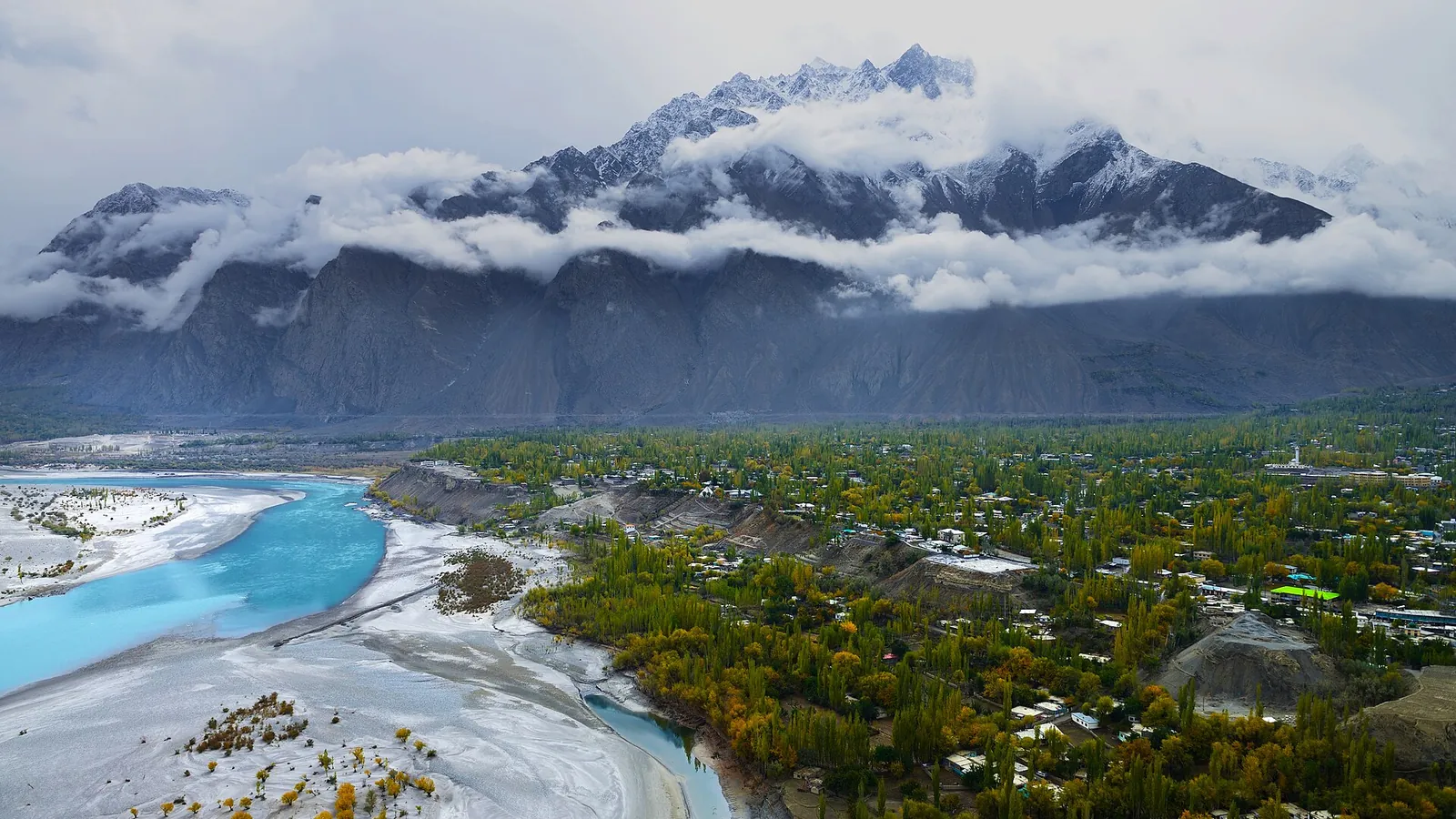
Where the Indus River bends through a broad valley beneath the Karakoram, Skardu has quietly become northern Pakistan’s adventure capital. Lakes so clear they double the mountains, a cold desert of wind-sculpted dunes, centuries-old Balti forts, and the Deosai Plains — one of the highest plateaus on earth — all sit within a day’s drive of town. This Skardu travel guide covers the essential places to visit in Skardu, how to reach it, the best time to visit, a realistic 5-day Skardu itinerary, and practical advice on altitude and mountain travel.
Why Visit Skardu? The Gateway to Baltistan
Few mountain towns pack in as much variety as Skardu. At roughly 2,200 metres above sea level, it is the main town of Baltistan and the launch point for legendary expeditions — the K2 base camp trek begins its approach from this region — yet you don’t need to be a climber to enjoy it. Within an hour or two of the bazaar you’ll find boating lakes, apricot orchards, desert dunes and alpine meadows. Balti culture, with its Tibetan-influenced food and centuries-old forts, adds a layer of history that pure wilderness destinations often lack. For the bigger picture, see our Pakistan country guide.
Skardu Travel Guide: Top Places to Visit in Skardu
Skardu’s sights spread across several valleys, so it helps to think of them in clusters. Here are the ones worth your time.
Shangrila Lake & the Kachura Lakes
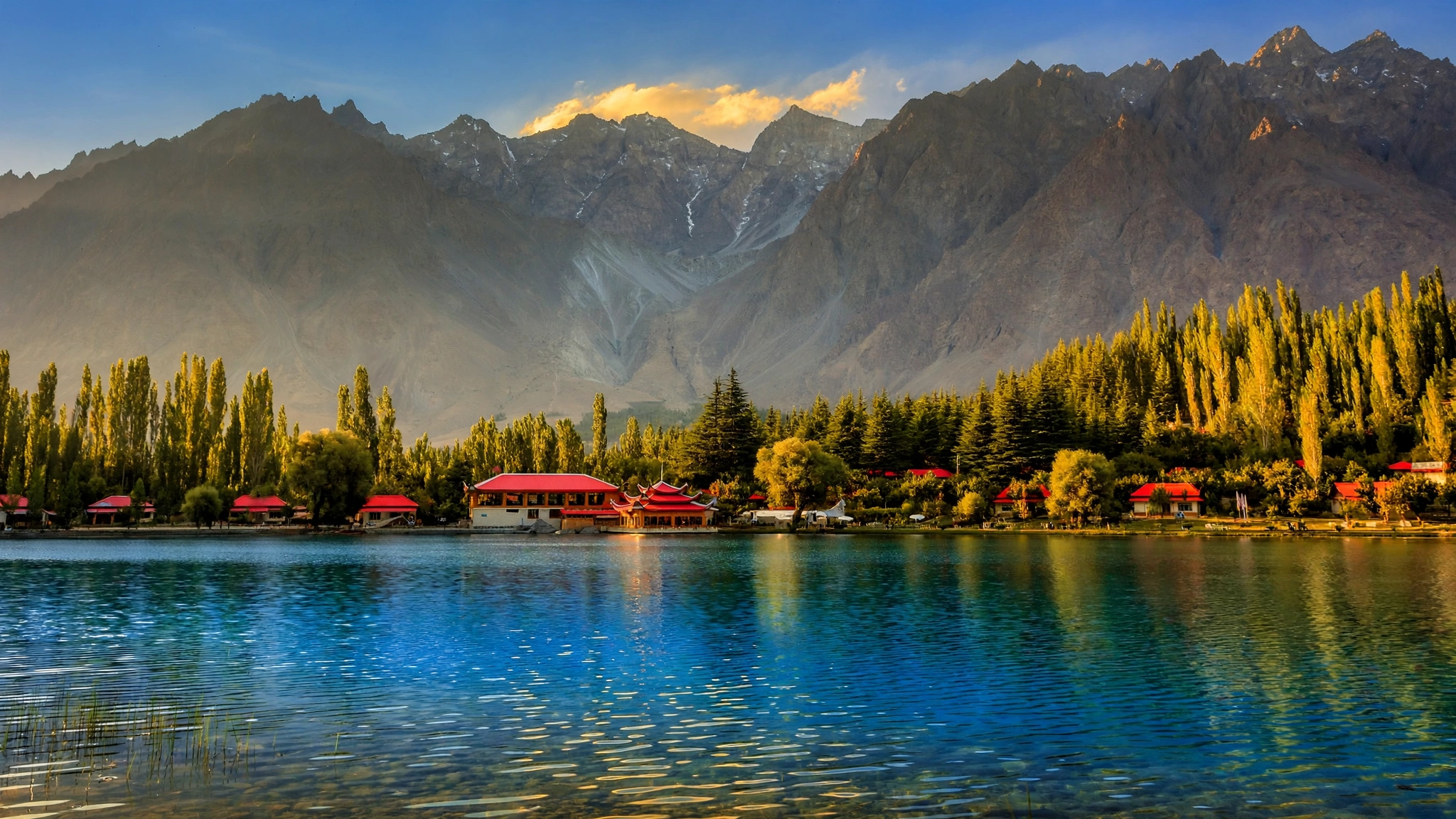
Shangrila Lake — officially Lower Kachura Lake — is the postcard that put Skardu on the map. Set a short drive from town, its still, green-blue water is framed by poplar trees and the red-roofed buildings of Shangrila Resort. Come early in the morning, when the water is glassy and the crowds are thin. Further up the valley, Upper Kachura Lake is wilder and quieter, ringed by forested slopes — bring a picnic and a few unhurried hours. Boating is available at the lakes in season, though services vary by month, so confirm locally.
Satpara Lake
Just south of town, Satpara Lake spreads wide and turquoise against bare mountainsides. It’s an easy half-day trip — boat rides and lakeside tea stalls in summer, dramatic ice formations in winter. The road climbing past Satpara continues toward Deosai, so many travellers combine the two.
Deosai National Park & Sheosar Lake
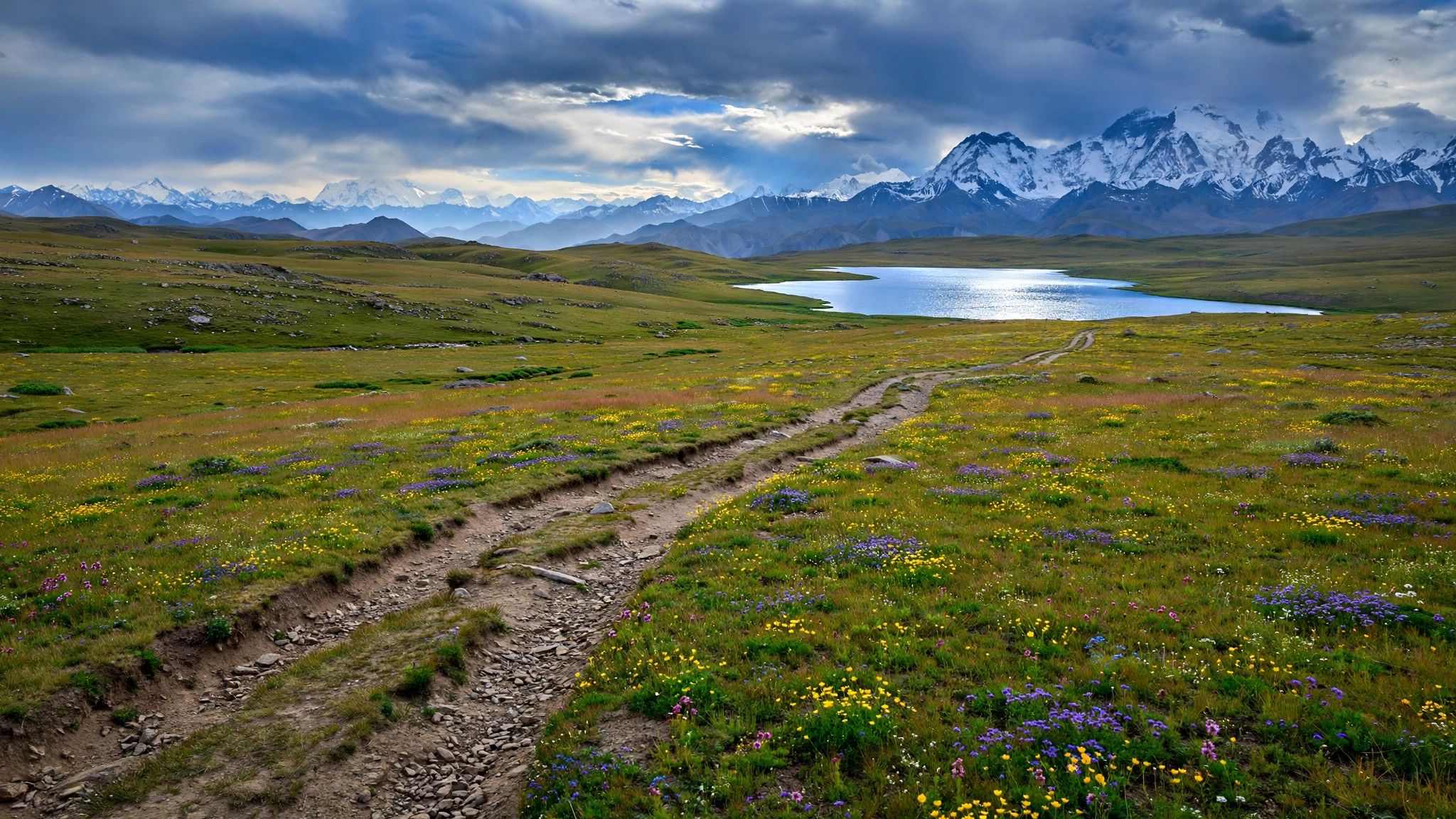
The crown jewel of any Skardu travel guide is Deosai — “the land of giants” — a rolling alpine plateau at roughly 4,100 metres, among the highest in the world. In summer it erupts with wildflowers stretching to the horizon, grazed by Himalayan marmots and, if you’re lucky, the park’s elusive brown bears. Sheosar Lake, deep and still, mirrors the surrounding peaks on calm mornings. Deosai is accessible roughly from June to September only; outside that window it lies under deep snow. The drive is long and rough — hire a 4×4 with a local driver, leave early, carry warm layers and snacks, and check current road conditions before you go. For official updates, the Gilgit-Baltistan tourism department is the most reliable source.
Shigar Valley & Shigar Fort
An easy drive northeast of Skardu, Shigar is the valley of orchards and old stones. Its 17th-century fort, restored as a heritage hotel, sits above the Shigar River with carved wooden balconies and a small museum of Balti life. Even without an overnight stay, the gardens and views are worth the visit. Nearby, the spring-fed Blind Lake, tucked among dunes, makes a lovely short detour.
Khaplu & Khaplu Palace
Further east along the Shyok River, Khaplu feels like Baltistan’s cultural heart. Khaplu Palace, a 19th-century royal residence of carved wood and stone, now operates as a heritage hotel with a museum wing. The centuries-old Chaqchan Mosque blends Tibetan and Islamic architecture in a way seen nowhere else. Khaplu works as a day trip, though an overnight stay lets you walk the old town at an unhurried pace.
The Cold Deserts: Sarfaranga & Katpana
Desert dunes at altitude are Skardu’s strangest trick. The Sarfaranga Cold Desert, on the road to Shigar, rises in pale waves against a backdrop of snow peaks — surreal at sunset. Closer to town, the Katpana dunes and lake offer the same otherworldly contrast in miniature. Both are favourites for photography and for some of the darkest night skies in the region.
Skardu Town & Kharpocho Fort
Skardu town itself rewards half a day. Climb to Kharpocho Fort, the 16th-century “King of Forts” ruin on the hill above town, for the classic sunset panorama over the valley and the Indus. Below it, the bazaar is the place to taste Balti staples — mamtu dumplings, buckwheat pancakes, apricot oil — and to stock up on dried apricots, a local speciality.
Getting to Skardu: By Air or the Karakoram Highway
You have two realistic options, and both are spectacular. Flights connect Skardu with Islamabad and other cities; the approach threads between great peaks and is routinely called one of the world’s most scenic landings — but mountain weather means delays and cancellations are common, so never schedule a tight onward connection. By road, the classic route runs from Gilgit along the Indus on the Jaglot–Skardu road, a dramatic full-day drive linked to the wider Karakoram Highway network. Hire an experienced local driver, travel in daylight, and build a buffer day into your plans — landslides and road works can add hours. The drive itself is genuinely half the experience.
Best Time to Visit Skardu
The short answer: roughly May to October, with June to September the sweet spot when everything is open. May brings blossom and fresh green valleys; July and August are warmest, with Deosai’s wildflowers at their peak — but also the biggest domestic crowds. September is many travellers’ favourite: clear skies, harvest colours beginning, and thinner crowds. October delivers spectacular autumn gold in the orchards, though Deosai typically closes during the month as snow returns. From November to April, Skardu turns deeply wintry — beautiful, but many roads and high valleys are cut off. Whatever month you choose, check the live Skardu weather close to departure; mountain forecasts shift fast.
A Practical 5-Day Skardu Itinerary
Five days covers the highlights comfortably; add two or three more for a Khaplu overnight or a slower pace. Use our Skardu trip planner alongside this outline.
- Day 1 — Arrive & acclimatise. Settle in, wander the bazaar, and climb to Kharpocho Fort for sunset. Keep it gentle: you’re at altitude now.
- Day 2 — Lakes day. Shangrila (Lower Kachura) in the morning, Upper Kachura for a lakeside lunch, Satpara Lake in the afternoon.
- Day 3 — Deosai. Full-day 4×4 excursion to the plains and Sheosar Lake. Start early, pack layers and a picnic.
- Day 4 — Shigar Valley. Shigar Fort, Blind Lake, and sunset over the Sarfaranga Cold Desert dunes.
- Day 5 — Khaplu day trip (palace and Chaqchan Mosque), or a rest day before departure.
Altitude, Roads & Practical Tips
Skardu town sits around 2,200 metres and Deosai tops 4,100 — take altitude seriously. Spend your first day or two taking it easy, drink more water than usual, go easy on alcohol, and descend if you develop a persistent headache, nausea or dizziness. Roads beyond the main valleys are rough: a 4×4 with a local driver is strongly recommended for Deosai and remote tracks. Cash is useful outside town, mobile signal fades in the valleys, and fuel stations are scarce on the Deosai route — fill up in Skardu. Pack layers year-round; summer evenings at altitude are chilly. Respect local customs, ask before photographing people, and carry your litter out.
Skardu Travel Guide: Frequently Asked Questions
What is the best time to visit Skardu?
Roughly May to October. For the full experience including Deosai National Park, aim for June to September; September and October add autumn colour with fewer crowds.
How many days do I need in Skardu?
Five days covers the main lakes, Shigar, the cold desert and a Deosai day trip. Seven to ten days allows a Khaplu overnight, rest days and bad-weather buffers.
Is Skardu safe for tourists?
Skardu is generally welcoming and tourist-friendly. The main risks are mountain-related — weather, rough roads, altitude and landslides — so travel with experienced local drivers, keep plans flexible and check conditions daily.
Do I need a 4×4 vehicle in Skardu?
For town, Kachura and Satpara, an ordinary car usually manages in good conditions. For Deosai and other rough valley tracks, a 4×4 with a local driver is strongly recommended.
Can I combine Skardu with Hunza?
Yes — many travellers pair the two. They’re connected by road via Gilgit; allow a full travel day between them. See our Hunza Valley travel guide for the other half of the trip.
Skardu rewards travellers who give it time: linger at a lakeshore, watch the light change on the dunes, and let a buffer day absorb the mountains’ whims. Pair this guide with our Hunza Valley travel guide and our roundup of the hidden gems of Pakistan — and northern Pakistan will do the rest.