Istanbul is the only city in the world that straddles two continents, and it feels like it: Ottoman minarets and Byzantine domes share the skyline, the Bosphorus glitters between Europe and Asia, and bazaars have traded here for half a millennium. This Istanbul travel guide brings together the sights that matter, the neighborhoods worth your time, honest practical advice, and a sample Istanbul itinerary — everything you need to plan the trip, updated for 2026.
For the bigger picture — visas, regions beyond the city, and how Istanbul fits into a wider trip — see our Türkiye country guide and our Istanbul city guide.
Things to do in Istanbul: the essential sights
Start in Sultanahmet, the historic peninsula where Istanbul’s headline monuments cluster within walking distance of each other. These are the unmissable things to do in Istanbul for any first visit.
Hagia Sophia and the Blue Mosque
Directly across the square from each other, these two buildings tell Istanbul’s story in stone. Hagia Sophia, built as a cathedral in 537 AD, became a mosque, then a museum, and was reconverted to a mosque in 2020 — its 1,500-year layered history shows in walls where Byzantine mosaics survive alongside Islamic calligraphy. The 17th-century Blue Mosque (Sultan Ahmed Mosque) across the square is named for its tens of thousands of İznik tiles and remains an active place of worship. Both are working mosques, so plan around the five daily prayers, dress modestly (covered shoulders and knees; a headscarf for women), and check official sources for current visitor arrangements before you go, as access policies change.
Topkapı Palace
The Ottoman sultans’ residence for nearly 400 years, Topkapı is a sprawling complex of courtyards, pavilions, the treasury, and the Harem apartments. Allow a solid half day — and book tickets online in advance to skip the long lines in high season. Don’t skip the Harem: its tiled chambers are the palace’s highlight.
Basilica Cistern
The vast underground Byzantine reservoir, with its forest of 336 columns and the famous Medusa-head column bases, is Istanbul’s most atmospheric sight. Timed entry is now standard, so book ahead rather than risking a sellout day.
Süleymaniye Mosque
Sinan’s grandest mosque sits above the Golden Horn, calmer and less crowded than the Blue Mosque, with a terrace view over the old city that rivals any viewpoint in Istanbul. Free to enter outside prayer times.
Bosphorus cruise: the essential water experience
You haven’t seen Istanbul until you’ve seen it from the water. A Bosphorus cruise is consistently the experience travelers rave about most, and you have options for every budget and schedule. The cheapest authentic option is the public Şehir Hatları ferry, which sails past Dolmabahçe Palace, Rumeli Fortress, and the waterfront yalıs (Ottoman mansions) with the Bosphorus Bridge carrying traffic between continents overhead. Short sightseeing cruises (around 1.5–2 hours) suit tight schedules, sunset cruises deliver the city’s most photogenic hour, and dinner cruises make a special evening. Booking a cruise ahead in high season is wise — the popular sunset sailings sell out. A detailed breakdown of the options, with honest pros and cons, is available at Visit Istanbul Official’s Bosphorus cruise guide.
Best area to stay in Istanbul: a neighborhood guide
Choosing the best area to stay in Istanbul depends on your trip style — there is no single right answer. Here’s the honest breakdown:
- Sultanahmet: step out of your hotel and walk to Hagia Sophia, the Blue Mosque, and the cistern. The most straightforward base for a short, sight-focused first visit — especially with kids or anyone who prefers short days. Quiet at night; restaurant scene is limited.
- Galata / Karaköy: the best all-rounder. Tram and ferry connections put Sultanahmet minutes away, and the evenings here are far better — excellent restaurants, cafés, and design shops. A great base if food and nightlife matter as much as monuments.
- Beyoğlu / Taksim: Istanbul’s buzzy modern center around Istiklal Street. Maximum nightlife and transport connections, plus budget-friendly hostels — but it can be noisy, so check room location.
- Kadıköy (Asian side): local life, superb food markets, the Moda waterfront for sunset, and lower prices. Perfect for repeat visitors or food-first travelers; you reach the old city by a 20-minute ferry.
- Nişantaşı: upscale shopping and polished dining, but less character than the quarters above.
For booking strategy and what to watch for when comparing properties, see our hotels guide.
How many days in Istanbul do you need?
How many days in Istanbul is enough? The honest answer: three days is the minimum for a first visit, and four to five is the sweet spot. Here’s what each trip length realistically covers:
- 2 days: Sultanahmet’s big sights, one Bosphorus cruise, and the bazaars. Rushed but doable.
- 3 days: the above plus Galata, Balat, and a ferry to Kadıköy. A balanced first trip — and the itinerary below shows how it fits together.
- 4–5 days: add the Princes’ Islands, Dolmabahçe Palace, neighborhood wanders, and a hammam. This is the trip length Istanbul deserves.
- A week: day trips to Bursa or Edirne, slower days, and the hammam ritual at an unhurried pace.
A sample 3-day Istanbul itinerary
Day 1 — the old city: Hagia Sophia, Blue Mosque, Basilica Cistern, then Topkapı Palace in the afternoon. End with a wander through the Grand Bazaar (operating since 1461) and dinner in Sultanahmet.
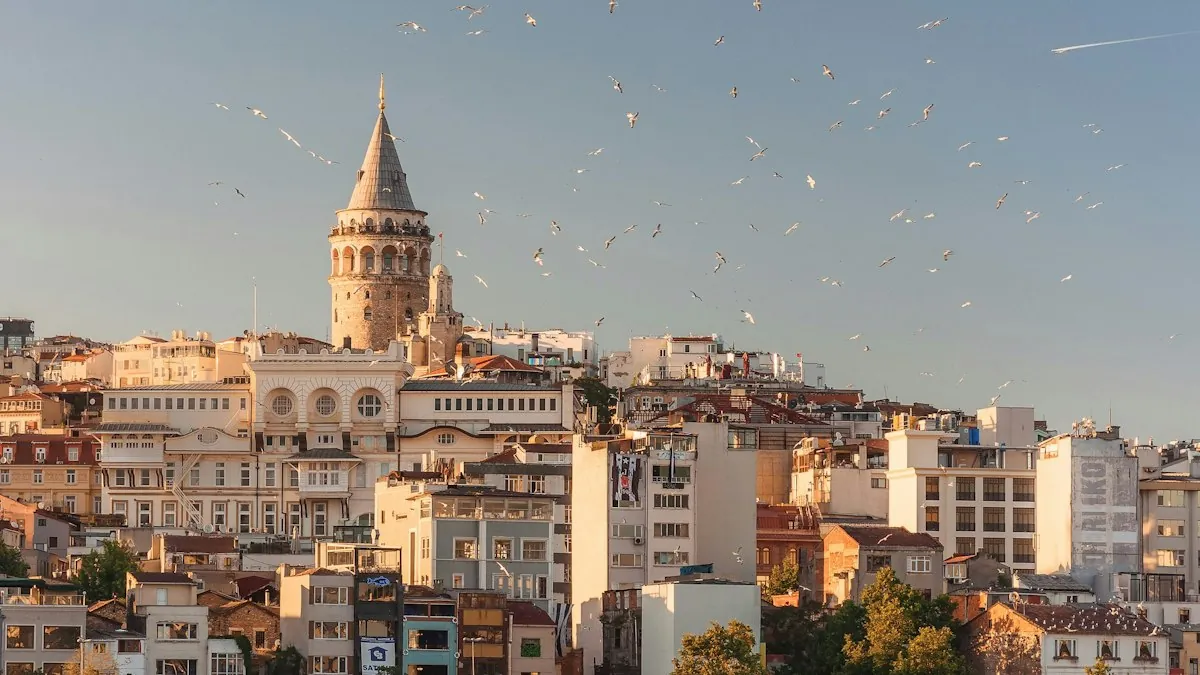
Day 2 — Galata, Beyoğlu, and the Bosphorus: ride the Tünel funicular up to Galata Tower for the panorama, stroll Istiklal Street, then board an afternoon or sunset Bosphorus cruise. Evening in Karaköy.
Day 3 — the Asian side and local quarters: ferry to Kadıköy for the food market, walk the Moda seafront, then cross back to explore Balat and Fener — the colorful old Greek and Jewish quarters along the Golden Horn — before a final Turkish dinner.
The official tourism site publishes a detailed day-by-day version at Visit Istanbul Official’s 3-day itinerary. Ready to sequence Istanbul with the rest of your trip? Our travel planner helps you fit it alongside other stops.
What to eat: an Istanbul food primer
Eating is half the reason to come. The essentials:
- Breakfast: the Turkish kahvaltı spread — cheeses, olives, menemen (eggs with tomatoes), honeycomb, and endless tea.
- Kebabs: Adana, Urfa, and İskender (döner over pide with tomato sauce and yogurt).
- Street food: simit (sesame bread rings), balık ekmek (fish sandwiches) at Eminönü, midye dolma (stuffed mussels), and roasted chestnuts.
- Sweets: pistachio baklava in the Gaziantep style, künefe, and Turkish delight from old confectioners like Hacı Bekir.
- Drinks: Turkish tea everywhere, proper Turkish coffee, and rakı with meze for the classic long evening.
For how to pick restaurants in unfamiliar cities generally — reading menus, avoiding tourist traps — see our restaurants guide.
Practical tips: getting around, money, and etiquette
Getting around
Get an Istanbulkart (reloadable transit card) at the airport or any major station — it covers trams, metros, ferries, and buses at discounted fares. The T1 tram line connects Sultanahmet to Karaköy and Kabataş (for Bosphorus ferries). Traffic is famously bad; the metro and ferries beat taxis at rush hour.
Money
Turkey uses the lira. Cards are widely accepted, but carry cash for bazaars, street food, and small lokantas. ATMs are plentiful; decline dynamic currency conversion when offered. Bazaar prices are negotiable — browse freely, haggle politely, and never feel obliged to buy.
Etiquette
- Remove shoes when entering mosques (and homes); women cover their heads in mosques.
- Avoid visiting mosques around Friday midday prayers in particular.
- Bargaining is expected in bazaars but not in malls or restaurants.
- Tea offered by a shopkeeper is hospitality, not a sales trap — accept it.
Safety
Istanbul is generally safe for tourists; standard big-city precautions apply. Watch for the classic scams (the “friendly” shoe-shine drop, overpriced carpet-shop detours) and use registered taxis or ride-hailing apps with upfront pricing.
Day trips from Istanbul
Princes’ Islands: a ferry ride of about an hour from Kabataş to car-free islands of Ottoman-era wooden mansions, pine forests, and seafront fish restaurants. Büyükada is the largest — rent a bicycle, ride to the hilltop monastery of St. George, and have lunch by the water. An easy half-to-full day.
Bursa: the first Ottoman capital, about two hours by fast ferry plus bus from Yenikapı — birthplace of the İskender kebab, with the grand Ulu Mosque and the Green Tomb’s exquisite tilework. Doable as a long day trip; better as an overnight.
Edirne: the second Ottoman capital near the Greek and Bulgarian borders. Its Selimiye Mosque — Sinan’s self-described masterpiece — is one of the great buildings of Islamic architecture, and the city is far less visited than it deserves.
Frequently asked questions
Is Istanbul safe for tourists?
Yes, for most travelers — normal big-city awareness is enough. Keep valuables secure in crowds, be wary of overly friendly strangers steering you to shops or bars, and check your government’s current travel advisory before departure.
When is the best time to visit Istanbul?
Late spring (April–May) and early autumn (September–October) generally bring the mildest, most pleasant weather, while summer is hot and crowded and winter is quieter and cheaper. For exact current conditions and seasonal patterns, check Istanbul weather on our weather explorer.
Do I need to book tickets in advance?
For the major sights in high season, yes — skip-the-line and timed-entry tickets for Hagia Sophia, Topkapı Palace, Basilica Cistern, and Galata Tower can save serious queueing time. Popular Bosphorus sunset cruises also sell out. Always verify current hours and prices on the official attraction websites, as these change frequently.
Istanbul rewards travelers who mix the monumental with the everyday: a palace in the morning, a ferry at sunset, dinner in a side street. Start with the sights above, give the city at least three days, and let the ferries, markets, and tea gardens do the rest.