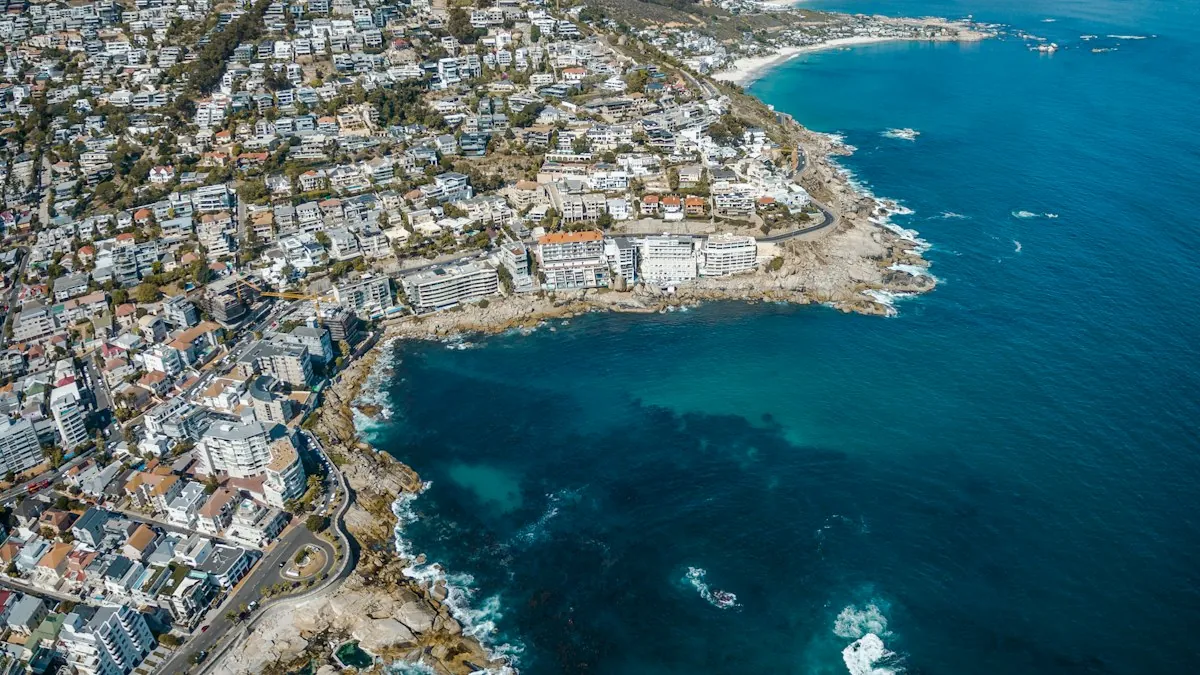
If you’re wondering “is Cape Town safe for tourists?” — you’re asking the right question before booking. Cape Town is one of the most visually stunning cities on Earth: Table Mountain rising straight from a working harbor, penguins on the beach, vineyards 45 minutes from the city center. It’s also a city with real crime challenges that visitors need to take seriously. This guide answers the safety question honestly, then covers the best things to do in Cape Town, where to stay, the best time to visit, and how many days you need — so you can plan a trip that’s both exciting and sensible.
Is Cape Town Safe for Tourists? The Honest Answer
Cape Town can be a safe and rewarding destination, but only for visitors who plan for it. Most of the millions of tourists who visit each year have trouble-free trips — because they stay in the right areas, use reliable transport, and follow basic precautions, not because the risks are imaginary. Serious crime is concentrated in neighborhoods far from the tourist circuit, but opportunistic crime (pickpocketing, car break-ins, muggings on quiet trails) can reach visitors who get complacent. The honest bottom line: stay in tourist areas, don’t walk alone at night, and you’ll manage the risk well.
Tourist areas that are generally comfortable
The established tourist zones have strong security presence and a generally relaxed feel: the V&A Waterfront, Camps Bay, Clifton, Sea Point, Green Point, the City Bowl (Gardens, Tamboerskloof), Constantia, and Simon’s Town. These are where hotels, restaurants, and attractions cluster. Safety can vary block by block even within these areas, so ask your hotel host about specific streets and current conditions — a five-minute conversation with a local beats any guidebook.
Cape Town safety tips that actually matter
These Cape Town safety tips are the standard advice given to visitors, and they work:
- Use Uber after dark. It’s cheap, reliable, and widely used by locals. Avoid informal street taxis and minibus taxis.
- Don’t display valuables. No phones in back pockets, no cameras around necks in quiet areas, nothing visible in parked cars — ever.
- Stay alert on hiking trails. Hike Table Mountain and Lion’s Head in daylight, in groups, on busy routes. Robberies on quiet trails do happen — check recent local reports and consider joining guided group hikes.
- Lock up the car. Keep doors locked and windows up in slow traffic; smash-and-grab thefts are a known risk.
- Use ATMs inside malls or banks and stay aware of your surroundings.
- Book township visits with reputable local operators rather than going alone — and never self-drive into townships as a tourist.
- Check your government’s travel advisory before departure for the latest guidance.
For official visitor information and current local updates, the official Cape Town Tourism site is the most reliable starting point.
Best Things to Do in Cape Town
Once safety is planned for, Cape Town is absurdly rewarding. Here’s how the main experiences stack up.
Table Mountain and the City Bowl
Table Mountain is the icon — and the weather decides when you go. The rotating cable car gives everyone the panoramic view, but it stops running in high wind, so check the official status at tablemountain.net before heading up and keep your first clear morning free as a backup. Hikers can tackle Platteklip Gorge (steep but straightforward) or the gentler Skeleton Gorge from Kirstenbosch. Down in the city, the colorful Bo-Kaap streets, the Company’s Garden museums, and the District Six Museum (essential for understanding the city’s history) round out a city day. The V&A Waterfront is the polished tourist hub — harbor views, the Zeitz MOCAA art museum in a converted grain silo, boat trips, and the ferry departure point for Robben Island.
The Cape Peninsula: the classic day trip
Allow a full day for the famous peninsula loop, by rental car or organized tour: Chapman’s Peak Drive (one of the world’s great coastal roads — do it in morning light), the Cape of Good Hope and Cape Point (hike or take the funicular to the lighthouse; watch for baboons), and Boulders Beach near Simon’s Town, where you can swim near African penguins — go early, as the main beach fills up. Finish via Kirstenbosch Botanical Gardens and its Boomslang canopy walkway.
Robben Island, winelands, and beaches
Robben Island — the former prison where Nelson Mandela was held, now a UNESCO World Heritage Site with tours led by ex-political prisoners — is profoundly moving; book well ahead as ferries sell out and cancel in rough seas. The Stellenbosch and Franschhoek winelands start about 45 minutes away, with the Franschhoek Wine Tram hopping between estates. For beaches, the Atlantic side (Camps Bay, Clifton’s four coves, Llandudno) is dramatic but bracing, while False Bay (Muizenberg for surfing, St. James tidal pool, Kalk Bay’s harbor restaurants) is a few degrees warmer — swim at flagged beaches and heed shark-spotter flags. Browse more ideas in our attractions explorer.
Where to Stay in Cape Town
Where to stay in Cape Town comes down to beach versus city, and how central you want to be. The V&A Waterfront is the lowest-friction base for first-timers and families — walkable, well-policed, close to the Robben Island ferry. Camps Bay and Clifton are for beach glamour and sunset views, but you’ll rely on cars or Ubers. Sea Point and Green Point offer the best value on the Atlantic side with a great seaside promenade. The City Bowl (Gardens, Tamboerskloof) has local neighborhood energy and guesthouses under the mountain. Constantia is vineyard calm about 20 minutes out. Compare hotel options for your dates, and book months ahead for December to February — peak season fills fast.
Best Time to Visit Cape Town
The best time to visit Cape Town depends on what you want from the trip. November to March (summer) brings warm, dry weather and long evenings — peak beach and hiking season, but also peak prices and crowds. April–May and September–October are the sweet spots: mild weather, fewer visitors, and lower rates. June to August (winter) is rainy and cool, but whale season runs roughly June to November, and Hermanus — about 90 minutes away — is one of the world’s best land-based whale-watching spots. Check live weather conditions before you lock in mountain and peninsula days, since Table Mountain cloud and wind can reshape your plans.
How Many Days in Cape Town?
How many days in Cape Town is enough? Three full days cover the essentials (Table Mountain, city sights, a full peninsula day) if you plan well and keep one eye on the weather. Four to five days is the balanced choice — it adds the winelands and Robben Island without rushing, and gives you a buffer day if Table Mountain is clouded over. Seven days lets you slow down with beaches, markets, and day trips like Hermanus or the West Coast. Sequence it all with our travel planner.
Practical Tips
Getting around: Uber is the default for tourists — cheap and reliable. Rent a car for the peninsula and winelands (drive on the left, nothing visible inside when parked). The hop-on-hop-off bus genuinely covers the main sights.
Money: South African rand (ZAR). Cards are widely accepted; carry cash for markets and small vendors. Cape Town is excellent value by US and European standards.
Food: Arguably Africa’s best food city — Cape Malay curry, gatsby sandwiches, braai culture, weekend farmers’ markets, and world-class wine at remarkable prices. Use our restaurant finder when deciding where to eat.
Water and health: Tap water in Cape Town is safe to drink, though water conservation remains part of local culture — keep showers short. No malaria in Cape Town.
Cape Town rewards the prepared traveler enormously — world-class scenery, food, and wine at remarkable value. For the wider country context, see our South Africa travel guide.