Figuring out the best time to visit Japan is the single most important decision you’ll make when planning your trip — it shapes the weather, the crowds, the prices, and whether you see cherry blossoms, fiery autumn leaves, or snow-covered temples. The short answer? Spring and autumn are the classic winners: mild, comfortable weather paired with Japan’s two most famous natural displays. But the longer answer depends on what kind of traveler you are. This season-by-season guide covers cherry blossom season, autumn foliage, festival months, the cheapest times to go, and the windows most travelers regret — so you can pick the timing that fits your priorities, not someone else’s.
Spring (March–May): Cherry Blossom Season in Japan
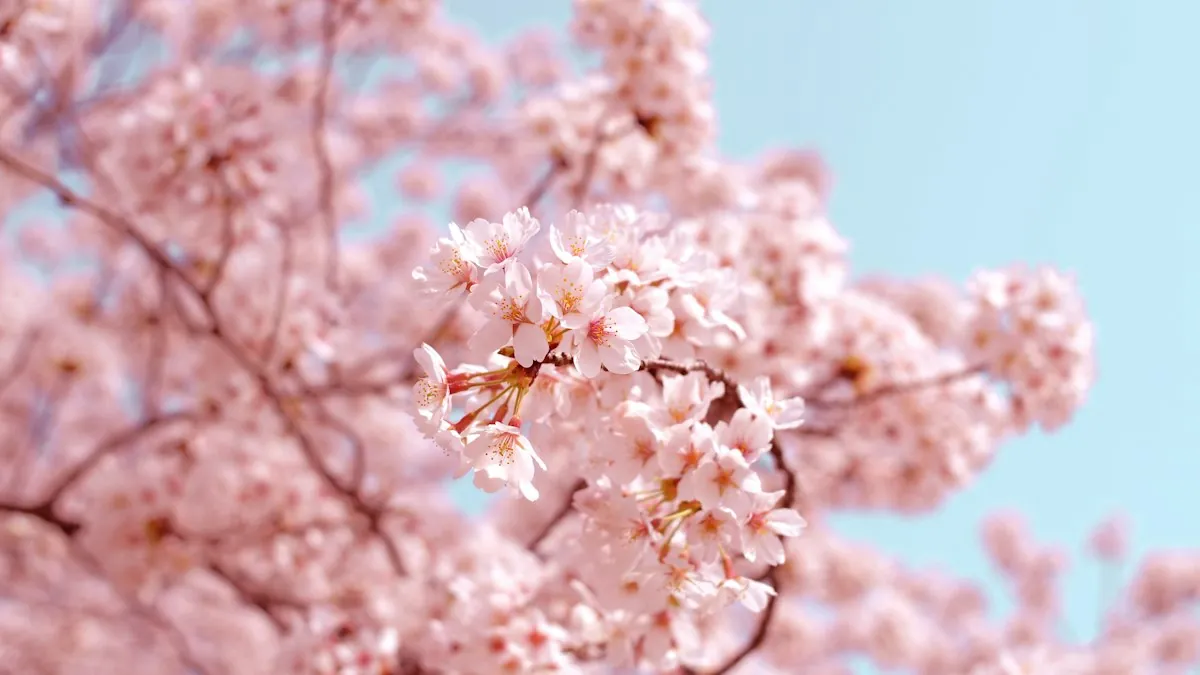
Spring is when Japan makes its case as the most beautiful country on earth. Cherry blossom season in Japan sweeps from south to north as temperatures rise: blossoms typically open in late March across the main tourist corridor of Tokyo, Kyoto, and Osaka, while northern regions like Tohoku and Hokkaido peak weeks later. The full bloom lasts roughly a week, and the annual bloom forecasts are followed across the country with genuine excitement.
Hanami — flower viewing — is more than a photo opportunity. Locals spread picnic sheets under the trees in parks like Ueno in Tokyo and Maruyama in Kyoto, and many gardens host evening illuminations. Beyond the blossoms, spring brings comfortably mild days and long stretches of clear weather.
The trade-offs of spring travel
This is peak season, and it comes with peak-season everything: Kyoto hotel rooms during blossom week are booked out months in advance, and prices at their highest of the year. If cherry blossoms are your goal, build flexibility into your dates — following the bloom across regions beats pinning everything on one fixed week. Late April to early May brings Golden Week, a cluster of national holidays that creates the year’s most intense domestic travel surge; the weeks after it, by contrast, are calm, green, and sensibly priced.
Summer (June–August): Festivals, Rain, and Heat
Summer is Japan at its most energetic — and its most demanding. June opens with the rainy season (tsuyu), weeks of humid drizzle across most of Honshu that keep mountain views hidden but turn gardens lush and empty the temples. By mid-July the rain breaks and summer arrives in force: hot, humid, and humming with matsuri, the traditional festivals that define the season.
Gion Matsuri in Kyoto (July), the Nebuta festival in Aomori (August), and fireworks up and down the country make summer the season for cultural immersion. Hokkaido largely escapes the worst heat, and the climbing season for Mt. Fuji runs through July and August. Okinawa and the southern islands hit beach season from early summer onward.
The trade-offs of summer travel
City heat can be genuinely draining, and typhoon season runs from August into October, occasionally disrupting travel plans. The Obon holiday in mid-August creates another domestic travel spike. But prices dip outside Obon, and late June is one of the year’s quietest windows — a trade-off many travelers are happy to make.
Autumn (September–November): Japan’s Autumn Leaves Season
Many seasoned travelers will tell you autumn is actually the best time to visit Japan. September still carries summer heat and typhoon risk, but by October the air turns crisp and dry, and the Japan autumn leaves season — koyo — begins its march southward. Hokkaido’s mountains light up first, and by November temples and parks in Kyoto and Tokyo blaze with maple and ginkgo.
Autumn combines the best of everything: comfortable sightseeing weather, settled skies, superb hiking in the Japan Alps, and seasonal food like chestnuts and persimmons. Momijigari — “red leaf hunting” — has been a beloved pastime for centuries, and many gardens hold nighttime illuminations of the foliage at its peak.
The trade-offs of autumn travel
The secret is out: November in Kyoto is now nearly as busy and expensive as cherry blossom season, and accommodation in foliage hotspots needs to be booked well ahead. But with a season that stretches nearly three months from north to south, you can chase the color rather than fight the crowds — arrive in October for the best balance of weather, prices, and quieter sights.
Winter (December–February): Snow, Onsen, and Low Prices
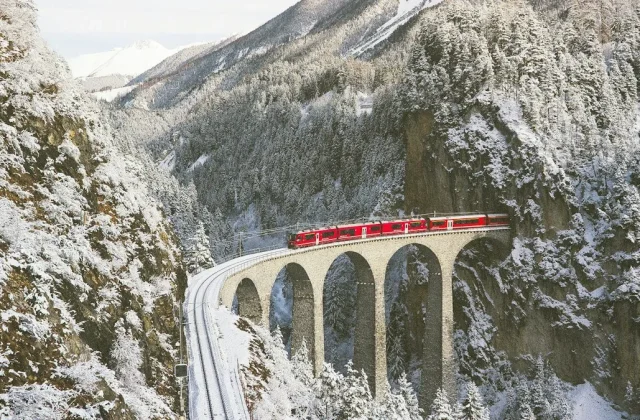
Winter is Japan’s most underrated season. Northern Japan and the Japan Alps receive some of the deepest, most reliable powder on the planet, drawing skiers and snowboarders to Hokkaido, Nagano, and Niigata. Cities, meanwhile, trade blossoms for brilliant clear skies: temples dusted with snow, rotenburo (outdoor hot springs) steaming in the cold, and winter illuminations lighting up parks and shopping streets.
The Sapporo Snow Festival in February is the headline winter event, but winter’s real gift is space: temples you queued for in spring can be nearly empty in January, and hotels outside ski resorts drop to their lowest rates of the year.
The trade-offs of winter travel
Days are short and cold, and the New Year period (late December to early January) flips the calm into chaos — it’s one of the year’s biggest domestic travel windows, with many restaurants and attractions closed. Ski resort towns charge premium rates all winter. But outside those exceptions, winter rewards flexible travelers with Japan at its most serene and affordable.
The Cheapest Time to Visit Japan
The cheapest time to visit Japan is generally mid-January to February (after the New Year rush) and June, when prices and crowds bottom out. Early December and early September can also offer good value outside the holiday spikes.
The most expensive windows are cherry blossom season (late March to early April), Golden Week (late April to early May), and the autumn foliage peak in November. Being flexible by even a week or two can change flight and hotel prices dramatically. And remember that many of Japan’s great experiences — temples, shrines, gardens, and neighborhoods — cost nothing at all, whatever the season.
The Worst Time to Visit Japan
There is no universally worst time to visit Japan — only timing that works against your priorities. But a few windows deserve an honest warning:
- Golden Week (late April–early May): domestic travel at its absolute peak — expect the highest prices, fully booked trains, and packed attractions.
- Obon (mid-August): another domestic holiday surge layered on top of the year’s hottest weather.
- New Year (late December–early January): many shops and restaurants close while domestic travel surges.
- Mid-summer in the cities: if you hate heat and humidity, July and August in Tokyo or Kyoto can be punishing.
- June’s rainy season: poor for mountain views and photography, though it’s cheap, green, and quiet.
That said, every season has its defenders. A rainy-season trip built around gardens, onsen towns, and covered shopping arcades can be more memorable than a blossom-season trip spent queuing for everything.
Japan Isn’t One Climate: Regional Differences
The season guide above describes Honshu’s Pacific side — but Japan stretches roughly 3,000 kilometers north to south, and timing shifts dramatically by region.
Hokkaido (the north)
Hokkaido runs several weeks behind Honshu: cherry blossoms arrive later, summer stays mild, and winter is long and snowy. It’s the escape hatch for summer heat and the destination for winter powder.
Okinawa and the southern islands
Subtropical Okinawa has a beach season roughly from May to October, with the rainy season arriving earlier than the mainland. Winter is mild — pleasant for sightseeing, too cool for swimming.
The Japan Alps and rural Honshu
Mountain areas follow their own calendar: alpine hiking season runs roughly July through October, autumn color arrives weeks earlier at altitude, and heavy snow closes many mountain roads from late autumn to spring.
Practical Tips for Timing Your Japan Trip
- Book accommodation 3–6 months ahead for cherry blossom season, Golden Week, Obon, and Kyoto in November.
- Festivals have fixed dates; blossoms and foliage don’t. Build flexible days around nature-dependent highlights.
- Check the real-time Japan weather data before packing — a “mild” November still needs a proper jacket.
- The Japan Rail Pass (or regional passes) can pay off on multi-city trips — check current prices and pass rules before buying, as terms have changed in recent years.
So, When Is the Best Time to Visit Japan for You?
- First-time visitor wanting the classic experience: late March–April for blossoms or October–November for foliage.
- Budget traveler: January–February or June, outside the holiday surges.
- Skier or snowboarder: January–February.
- Festival lover: July–August.
- Hiker: September–October for the Japan Alps; July–August for Mt. Fuji.
- Photographer: October for clear skies and color, February for snow and empty temples.
Once you’ve picked your season, the next step is choosing where to go — start with our Japan country guide, then dive into the city guides for Tokyo and Kyoto. Still torn between the two? Our Tokyo vs Kyoto comparison can help you split your days. Ready to map it out? Our travel planner can help you build a season-smart itinerary around your dates.
Frequently Asked Questions
When is cherry blossom season in Japan?
Cherry blossoms typically bloom from late March to early April across Tokyo, Kyoto, and Osaka, earlier in the south and later in the north (Hokkaido often waits until early May). Exact timing shifts every year, so follow the annual bloom forecasts and keep your itinerary flexible.
When is the best time to see autumn leaves in Japan?
The Japan autumn leaves season starts in Hokkaido’s mountains in September and moves south through November, with Tokyo and Kyoto peaking around November. You can catch peak color somewhere in Japan across nearly three months.
What is the cheapest time to visit Japan?
Mid-January to February (after New Year) and June are generally the cheapest months, with the lowest hotel rates and flight prices and the thinnest crowds.
What is the worst month to visit Japan?
It depends on your priorities, but mid-August is the toughest for most travelers: extreme heat and humidity plus the Obon holiday crowds. June’s rainy season and Golden Week are the other windows to think twice about.
For official travel information and seasonal event details, check the Japan National Tourism Organization’s official site. And if your dates are already fixed, remember: don’t fight the season — lean into it.